
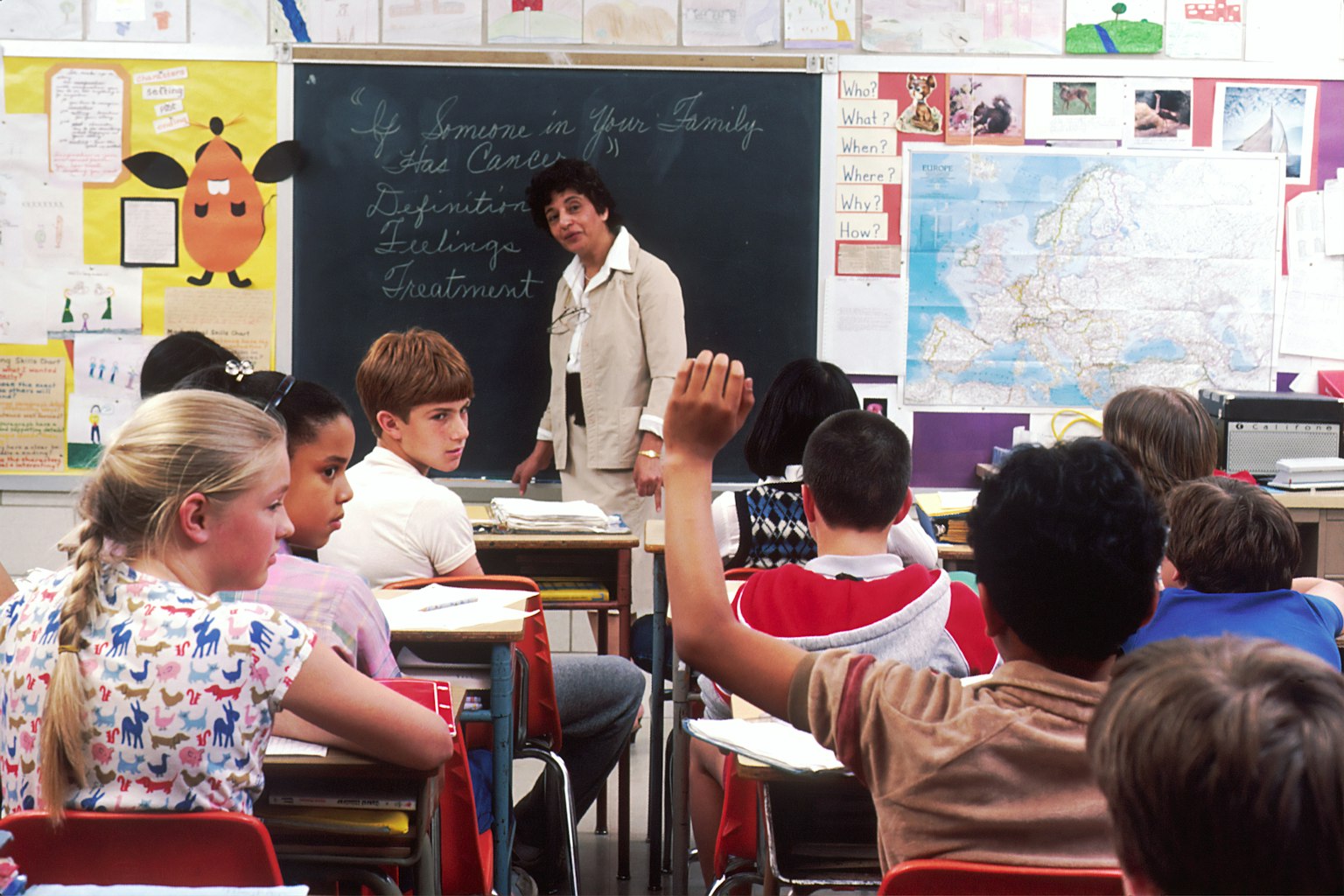
Social-Emotional Learning (SEL): What It Is and Why Schools Are Investing in It
Social-Emotional Learning helps students build essential life skills like managing emotions, showing empathy, and making responsible decisions. Learn what SEL is, why schools are investing in it, and how to evaluate a school's SEL approach.
Every parent wants their child to succeed in school — but success isn't measured by test scores alone. Increasingly, educators and researchers are recognizing that the skills students need most — managing emotions, building healthy relationships, making responsible decisions — don't come from a textbook. They come from something called Social-Emotional Learning, or SEL. And in 2026, it's one of the most talked-about (and invested-in) approaches in American education.
Whether you're evaluating schools for your child or simply trying to understand what's happening in today's classrooms, understanding SEL can help you make smarter, more informed decisions about your child's education.
What Exactly Is Social-Emotional Learning?
Social-Emotional Learning is the process through which children and adults develop and apply essential skills for managing emotions, setting goals, showing empathy, maintaining positive relationships, and making thoughtful decisions. Think of it as the "soft skills" curriculum — except there's nothing soft about the impact it has on students' lives.
The most widely used framework comes from CASEL (the Collaborative for Academic, Social, and Emotional Learning), which identifies five core competencies:
Self-Awareness — The ability to recognize your own emotions, thoughts, and values, and understand how they influence your behavior. A self-aware student can identify when they're feeling frustrated and understand why, rather than simply acting out.
Self-Management — The ability to regulate emotions, thoughts, and behaviors in different situations. This includes managing stress, controlling impulses, setting personal goals, and motivating yourself. It's the difference between a child who throws a tantrum when they lose a game and one who takes a deep breath and tries again.
Social Awareness — The ability to take the perspective of others, including those from diverse backgrounds. This means showing empathy, understanding social norms, and recognizing available resources and supports in your family, school, and community.
Relationship Skills — The ability to establish and maintain healthy, rewarding relationships with diverse individuals and groups. This covers communication, active listening, cooperation, conflict resolution, and knowing when and how to seek help.
Responsible Decision-Making — The ability to make constructive choices about personal behavior and social interactions based on ethical standards, safety concerns, and social norms. It involves evaluating consequences, considering the well-being of yourself and others, and reflecting on outcomes.
These aren't abstract concepts. They show up every day in how a child handles a disagreement on the playground, responds to a challenging assignment, or navigates the complex social dynamics of a lunchroom.
Why Schools Are Investing Heavily in SEL
The investment in SEL programs isn't just a feel-good initiative — it's backed by decades of rigorous research. Here's why school districts across the country are making it a priority.
The Academic Connection Is Real
A landmark 2025 study covered by NPR and EdSurge found that K-12 students who received regular access to SEL programs showed measurably better test scores and higher GPAs. The research, which analyzed data across multiple grade levels, confirmed that the academic benefits held regardless of whether performance was measured through standardized tests or classroom grades.
A January 2026 study from USC's Rossier School of Education reinforced these findings, showing that universal SEL programs offer a strong return on investment for academic growth — particularly when programs run longer than a single semester.
This makes intuitive sense. A child who can manage their anxiety during a test, focus their attention during a lesson, and work cooperatively on a group project is going to perform better academically. SEL doesn't replace academics — it creates the conditions for academic success.
Mental Health Benefits Are Significant
Research from Yale School of Medicine confirms that SEL programs significantly improve student well-being and perceptions of school safety. In an era where youth mental health is a national concern — with rising rates of anxiety, depression, and loneliness among school-age children — SEL provides a proactive, preventive approach.
CASEL's own research highlights that SEL builds resilience, cultivates protective factors like strong relationships with peers and adults, and reduces stigma around mental health help-seeking. Rather than waiting for a crisis and responding, SEL equips students with tools to manage challenges before they escalate.
Behavioral Improvements Follow
The Learning Policy Institute's comprehensive review of SEL research found consistent evidence of improved social behaviors and lower rates of behavior problems. Students in SEL programs show fewer disciplinary issues, less aggression, and better classroom conduct. For teachers managing 25-30 students, this translates to more time spent teaching and less time managing disruptions.
Long-Term Outcomes Matter
A meta-analysis published in late 2025 examining over 24,500 elementary and middle school students found that the benefits of SEL extend well beyond the classroom. Students who participated in evidence-based SEL programs showed improved outcomes in social skills, emotional regulation, and academic engagement — skills that follow them into high school, college, and careers.
What SEL Looks Like in Practice
If you're imagining students sitting in a circle talking about their feelings for an hour, that's only a small piece of the picture. Modern SEL implementation takes many forms:
Morning Meetings and Check-Ins — Many elementary schools start the day with a brief class meeting where students share how they're feeling, practice active listening, and set intentions for the day. These rituals build community and give teachers a pulse on student well-being.
Integrated Curriculum — Rather than treating SEL as a separate subject, many schools weave it into existing lessons. A literature class might explore characters' emotional motivations. A science lab might emphasize collaboration skills. A history lesson might examine decision-making and its consequences.
Conflict Resolution Programs — Peer mediation programs teach students to resolve disputes constructively. Instead of a teacher stepping in to settle every argument, students learn to express their needs, listen to others, and find solutions together.
Mindfulness and Regulation Techniques — Schools increasingly incorporate brief mindfulness exercises, breathing techniques, or brain breaks that help students regulate their nervous systems and return to a focused state. These aren't New Age trends — they're evidence-based strategies for managing the stress response.
Restorative Practices — Rather than purely punitive discipline (detention, suspension), restorative approaches focus on understanding harm, taking responsibility, and repairing relationships. This approach has shown promise in reducing suspension rates while improving school culture.
Family Engagement — The best SEL programs extend beyond school walls. Schools send home resources, host family workshops, and create shared language so parents can reinforce SEL skills at home.
The Controversy Around SEL — And What Parents Should Know
It would be incomplete to discuss SEL in 2026 without acknowledging the political debate surrounding it. What was once a broadly bipartisan approach to education has become contentious in some circles.
Between 2021 and 2023, at least 25 states saw legislation introduced to remove or restrict SEL from public school curricula. Critics have argued that some SEL programs introduce politically charged content or overstep the boundaries of what schools should teach. In 2025, the U.S. Department of Education flagged SEL as potentially being used to "veil" discrimination, adding fuel to the debate.
Some districts have responded by rebranding their SEL programs — calling them "character education," "life skills," or "student success" programs — while continuing the same evidence-based practices. A November 2025 EdWeek investigation found that many schools are essentially still teaching SEL, just under a different name.
Here's what matters for parents: the core skills SEL teaches — managing emotions, being kind, making good decisions, working with others — are not inherently political. They're life skills. The research overwhelmingly supports their effectiveness.
That said, it's reasonable for parents to want to know exactly what their child's school is teaching and how. Ask your school about their specific SEL curriculum, review the materials, and engage with the program. Informed, involved parents make the best advocates for their children.
How to Evaluate a School's SEL Approach
When you're comparing schools — whether you're moving to a new area, considering school choice options, or just doing your annual check-in — here are key questions to ask about their SEL practices:
Is there a structured SEL curriculum? Look for schools that use evidence-based programs (CASEL maintains a directory of reviewed programs) rather than ad hoc approaches. Consistency matters.
How is SEL integrated into the school day? The most effective programs don't treat SEL as a standalone class period. Ask how social-emotional skills are woven into academic instruction, school culture, and daily routines.
What does the school's discipline approach look like? Schools that use restorative practices alongside SEL tend to have better outcomes than those relying solely on punitive measures. Ask about suspension rates and disciplinary philosophy.
How does the school engage families? SEL works best when home and school are aligned. Look for schools that share resources, hold parent workshops, and create consistent language around social-emotional skills.
Is there professional development for teachers? SEL isn't just about student programs — teachers need training and support to model and facilitate these skills effectively. Ask about ongoing professional development.
How are outcomes measured? Good SEL programs track progress through student surveys, behavioral data, and academic metrics. Ask how the school assesses whether their SEL efforts are working.
How SchoolZone.ai Can Help
Choosing the right school involves weighing many factors — academics, location, extracurriculars, and increasingly, how well a school supports the whole child. SchoolZone.ai helps parents navigate these decisions by providing comprehensive school data, ratings, and comparisons in one place.
When you're researching schools in your area, pay attention to how they describe their approach to student well-being and character development. Schools that invest in SEL tend to create environments where students are not only academically successful but also emotionally healthy and socially skilled — which is ultimately what every parent wants.
The Bottom Line
Social-Emotional Learning isn't a fad or a political football — it's an evidence-based approach to helping children develop the skills they need to thrive in school and in life. The research is clear: SEL improves academic outcomes, supports mental health, reduces behavioral problems, and builds the kind of resilient, empathetic, responsible people our communities need.
As a parent, understanding SEL gives you a powerful lens for evaluating schools and supporting your child's development. Whether your school calls it SEL, character education, or life skills, the question isn't whether these skills matter — it's whether your child's school is intentionally cultivating them.
The best schools know that educating the whole child isn't optional. It's essential.