
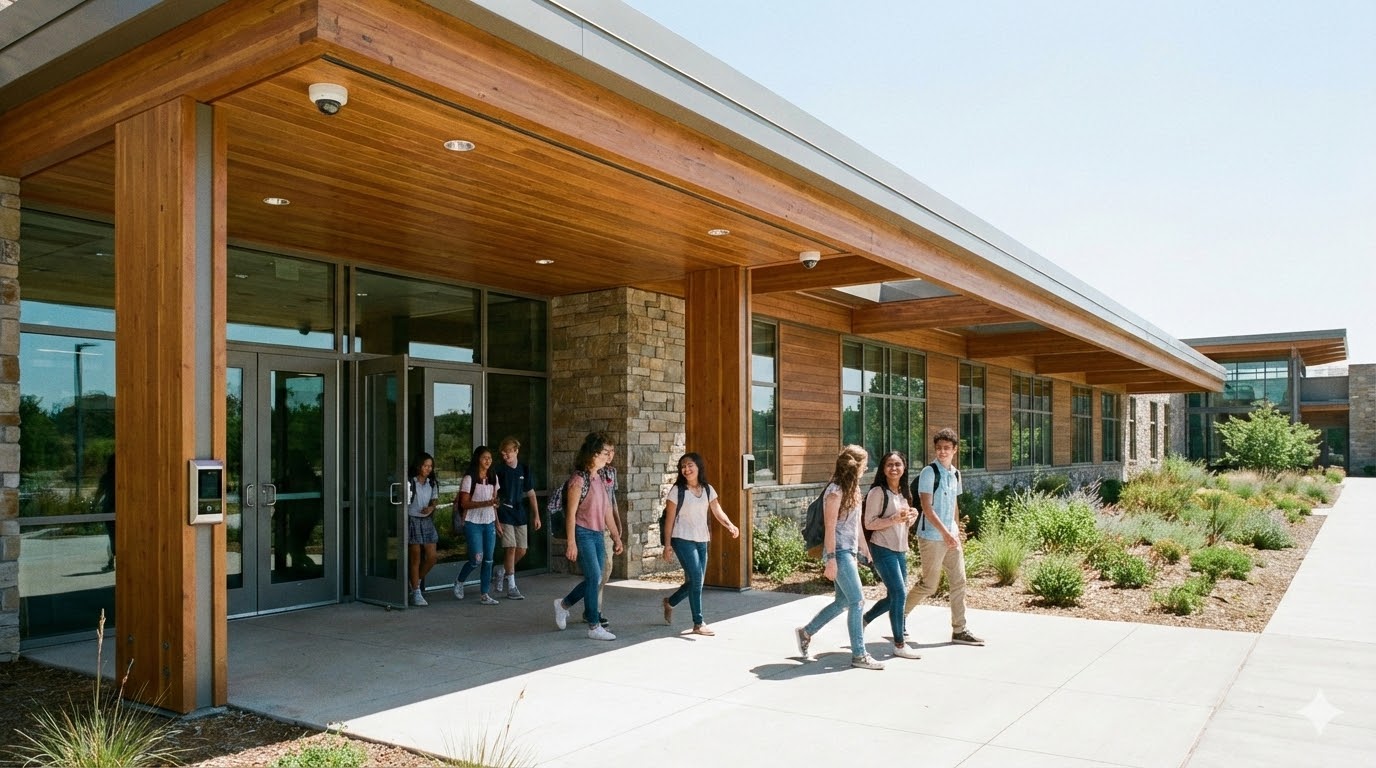
School Safety Technology: AI-Powered Solutions for Safer Campuses
Discover how AI-powered security systems are transforming school safety in 2026, from weapons detection and video analytics to smart visitor management and emergency response platforms.
Every parent shares the same fundamental concern when their child walks through the school doors each morning: will they be safe? In 2026, a new generation of artificial intelligence-powered security solutions is reshaping how schools approach campus safety, moving beyond traditional measures to create smarter, more responsive protection systems that work around the clock.
The Evolution of School Security
School security has come a long way from simple locked doors and hall monitors. The journey from basic surveillance cameras to today's AI-driven ecosystems represents one of the most significant technological shifts in education infrastructure. Traditional security measures—metal detectors, security guards, and buzzer entry systems—while still valuable, are increasingly being augmented by intelligent systems that can detect, analyze, and respond to threats faster than any human could.
According to Campus Safety Magazine, 2026 marks a turning point where more schools are replacing basic motion sensors with advanced video analytics, significantly reducing false alarms while improving actual threat detection. This shift isn't just about adding more cameras—it's about making existing infrastructure smarter.
AI-Powered Weapons Detection Systems
Perhaps the most impactful advancement in school safety technology is the emergence of AI-powered weapons detection platforms. Companies like ZeroEyes, Evolv Technology, and VOLT AI are leading this transformation with systems that can identify firearms and other weapons in real-time using existing camera networks.
How It Works
Unlike traditional metal detectors that create bottlenecks at school entrances, modern AI weapons detection systems work passively. They analyze video feeds from security cameras using computer vision algorithms trained on millions of images. When the system identifies what appears to be a weapon, it instantly alerts security personnel and can trigger automated lockdown procedures.
Midland ISD in Texas recently announced the installation of ZeroEyes, an AI-based gun detection and situational awareness platform, across their schools. The system monitors existing security cameras 24/7, and when it detects a potential firearm, it sends alerts to a team of military and law enforcement veterans who verify the threat before notifying local authorities—all within seconds.
Montgomery County's VOLT AI Pilot
In one of the most closely watched implementations of 2026, Montgomery County Public Schools (MCPS) in Maryland is piloting VOLT AI's weapons detection system at three schools. The pilot, which begins in March 2026, uses AI to scan students and visitors at entry points without the invasive feel of traditional screening. The system can detect concealed weapons through bags and clothing layers using a combination of sensor technologies and machine learning.
Smart Video Analytics: Beyond Simple Surveillance
Modern school security cameras aren't just recording footage—they're actively analyzing it. AI-powered video analytics can now detect a wide range of concerning behaviors and situations.
Behavioral Analysis
Advanced video systems can identify unusual movement patterns, such as someone running in a hallway, a fight breaking out, or an unauthorized person entering a restricted area. These systems learn the normal flow of a school day and flag anomalies that might indicate a problem.
Leading camera manufacturers like Avigilon, Pelco, and Axis now offer 4K and 8K resolution cameras with onboard AI that processes video locally, reducing bandwidth requirements and improving response times. The cameras can distinguish between normal student activity and genuine security concerns, dramatically reducing the false alarm rates that have plagued traditional systems.
Crowd Monitoring
AI analytics can also monitor crowd density in cafeterias, gymnasiums, and common areas. If overcrowding reaches unsafe levels or if the system detects a sudden dispersal pattern (which might indicate an emergency), it can automatically alert administrators.
Intelligent Visitor Management
Gone are the days of simple sign-in sheets at the front office. Modern visitor management systems use AI to screen, track, and manage every person who enters a school campus.
Digital Check-In Systems
Today's visitor management platforms require photo ID scanning upon arrival. The system cross-references the visitor against sex offender registries, custody agreements, and school-specific watchlists in real-time. Some systems even use facial recognition to verify that the person presenting the ID is actually the person pictured.
Smart Badges and Tracking
One of the most innovative trends for 2026 is the integration of smart visitor badges. These badges don't just identify a visitor—they can serve as emergency tools. Imagine a parent volunteer who notices a child having a seizure in a hallway. Instead of searching frantically for help, that volunteer could simply press their visitor badge to trigger an automated alert to the school nurse, administration, and even 911.
Emergency Communication and Response
AI is also revolutionizing how schools communicate during emergencies. Traditional PA systems and phone trees are being replaced by integrated platforms that can coordinate responses across multiple channels simultaneously.
Unified Alert Systems
Modern emergency platforms can send simultaneous alerts via text, email, app notifications, PA systems, and digital signage throughout the building. AI helps these systems determine the appropriate level of response based on the type of threat detected, ensuring that a minor medical emergency doesn't trigger a full-campus lockdown.
Wearable Panic Buttons
EdTech predictions for 2026 highlight wearable panic buttons as an emerging standard in school safety. These devices, worn by teachers and staff, provide one-touch access to emergency services. More advanced versions include GPS tracking, two-way communication, and automatic incident documentation.
Integration with First Responders
The most sophisticated school safety platforms now integrate directly with local police and fire departments. When an emergency is detected, AI systems can automatically share building maps, camera feeds, and the location of the threat with responding officers, giving them critical situational awareness before they even arrive on scene.
Cybersecurity and Digital Safety
Physical security is only one piece of the puzzle. Schools are also deploying AI to protect students in the digital realm.
Content Monitoring
AI-powered content monitoring systems can scan school network traffic for signs of cyberbullying, self-harm discussions, or potential threats. These systems analyze patterns in student communications (on school-owned devices and networks) to identify at-risk students before a situation escalates.
Network Protection
With the proliferation of connected devices in schools—from tablets and laptops to IoT sensors and smart building systems—cybersecurity has become a critical component of campus safety. AI-driven network security tools can detect and respond to cyber threats in real-time, protecting both student data and critical infrastructure systems.
Addressing Privacy Concerns
The deployment of AI in school security inevitably raises important privacy questions. How much surveillance is too much? Where is the line between safety and an environment that feels more like a prison than a place of learning?
Transparency and Community Input
Successful implementations prioritize transparency. Schools that have effectively deployed AI security systems typically hold community information sessions, publish clear policies about data collection and retention, and establish oversight committees that include parents, teachers, and students.
Data Protection
Responsible AI security vendors implement strict data protection measures. Video footage is typically stored for limited periods, facial recognition data (when used) is encrypted and access-controlled, and visitor information is protected under the same standards as student records.
Balancing Safety and Environment
The best school safety technology works invisibly. Systems like walkthrough weapons detection portals that look like regular doorways, or camera analytics that run silently in the background, provide protection without creating an atmosphere of fear. The goal is always to maintain a welcoming learning environment while adding layers of intelligent protection.
Cost and Implementation Considerations
For school administrators considering AI security upgrades, understanding the financial landscape is crucial.
Funding Sources
Several federal and state grant programs now specifically fund school safety technology. The Bipartisan Safer Communities Act continues to provide resources, and many states have established their own school safety grant programs. Additionally, some AI security companies offer phased implementation plans that allow schools to start with basic capabilities and expand over time.
Integration with Existing Infrastructure
One of the advantages of many AI security solutions is their ability to work with existing camera systems and network infrastructure. Rather than requiring a complete overhaul, these platforms can often be layered on top of current systems, reducing both cost and disruption.
Training and Adoption
Technology is only as effective as the people using it. Comprehensive training programs for administrators, teachers, and security staff are essential. The best AI security platforms include ongoing training, regular system updates, and dedicated support teams.
Making Informed Decisions About School Safety
When evaluating schools for your family, safety infrastructure should be a key consideration. Here are questions to ask school administrators:
- What security technologies are currently in place?
- How are visitors screened and tracked?
- What is the school's emergency communication protocol?
- How does the school balance security with a welcoming environment?
- What training do staff receive on security systems?
- How is student data protected?
How SchoolZone.ai Can Help
Finding a school that prioritizes both academic excellence and student safety can be overwhelming. SchoolZone.ai makes this process easier by providing comprehensive school ratings and information that includes safety metrics alongside academic performance data.
Our AI-powered platform helps parents compare schools across multiple dimensions, ensuring you have the complete picture when making one of the most important decisions for your family. Whether you're moving to a new area or exploring options within your current district, SchoolZone.ai gives you the data-driven insights you need to choose with confidence.
Looking Ahead
The future of school safety technology is promising. As AI systems become more sophisticated and more affordable, we can expect to see wider adoption across school districts of all sizes. The key will be implementing these technologies thoughtfully—with community input, proper training, and a continued focus on maintaining the warm, welcoming environments where children learn best.
School safety is not just about technology. It's about creating a comprehensive approach that combines smart systems with trained personnel, clear protocols, and a community commitment to protecting every student. AI is a powerful tool in this mission, but it works best when it supports—rather than replaces—the human connections that make schools truly safe places to learn and grow.