Microschools and Learning Pods: The New Alternative Education Movement
Discover how microschools and learning pods are transforming K-12 education with personalized learning, small class sizes, and innovative curricula — and what parents need to know before making the switch.
The landscape of K-12 education is shifting beneath our feet. While traditional public and private schools remain the backbone of American education, a growing number of families are discovering an entirely different path: microschools and learning pods. These small, flexible, and deeply personalized learning environments are no longer a pandemic-era stopgap — they have become a permanent fixture in the education ecosystem, and their momentum shows no signs of slowing down.
What Are Microschools and Learning Pods?
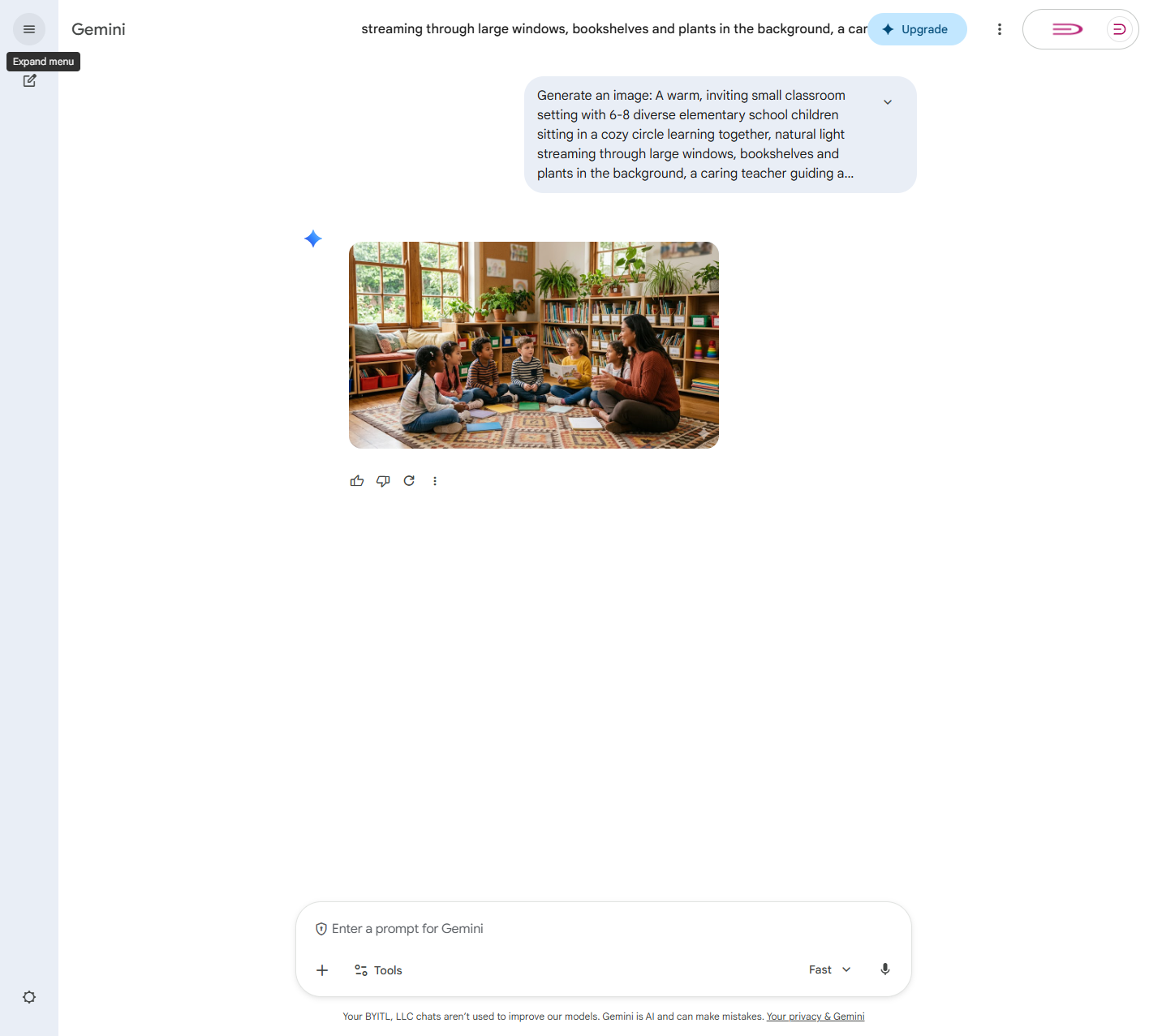
A microschool is exactly what it sounds like — a very small school, typically serving between 5 and 15 students at a time, often housed in a home, community center, or shared workspace. Unlike traditional schools with hundreds or thousands of students, microschools prioritize intimate learning environments where every child receives individualized attention.
Learning pods, sometimes called pandemic pods or education pods, are even more informal. A group of families bands together to hire a tutor, share teaching responsibilities, or collaborate on a structured curriculum. Pods can be as small as three or four students and rarely exceed a dozen.
Both models share a common philosophy: smaller is better. When class sizes shrink dramatically, teachers can tailor instruction to each student's pace, interests, and learning style. The result is often deeper engagement, faster academic growth, and stronger social-emotional development.
Why Families Are Making the Switch
The reasons families gravitate toward microschools and pods are as diverse as the families themselves. Here are the most common motivations driving this movement in 2026:
Personalized Learning at Scale
In a traditional classroom of 25-30 students, teachers simply cannot differentiate instruction for every learner. A child who races ahead in math but struggles with reading comprehension may find themselves bored in one subject and lost in another. Microschools solve this problem by meeting each student exactly where they are.
Many microschools leverage AI-powered adaptive learning platforms that adjust difficulty, pacing, and content in real time. When combined with a dedicated teacher who knows each student personally, the results can be remarkable — studies have shown that students in well-run microschools often advance 1.5 to 2 grade levels per year in core subjects.
Flexibility and Schedule Control
Traditional school schedules were designed for an industrial-age economy. The rigid 8 AM to 3 PM model doesn't work for every family — especially those with parents who work non-traditional hours, children who compete in athletics or the arts, or families who travel frequently.
Microschools and pods offer schedule flexibility that traditional schools simply cannot match. Some operate four days a week, leaving Fridays for field trips or independent projects. Others run year-round with shorter, more frequent breaks. This flexibility allows families to design an educational rhythm that supports their lifestyle rather than disrupting it.
Safety and Belonging
In smaller learning environments, bullying is easier to address, conflicts are resolved more quickly, and every student is known and valued. For children who have experienced social anxiety, neurodivergent learners who thrive in quieter settings, or students who have been marginalized in larger school environments, the intimacy of a microschool can be genuinely transformative.
Dissatisfaction with Traditional Options
Let's be honest — not every family leaves traditional school because they've discovered something better. Some leave because the system has failed them. Long wait lists for gifted programs, underfunded special education services, overcrowded classrooms, and rigid one-size-fits-all curricula push families to seek alternatives. Microschools represent a vote of confidence in a different model.
The Role of Education Savings Accounts
One of the biggest accelerators of the microschool movement has been the expansion of Education Savings Accounts (ESAs) across the United States. As of 2026, more than 15 states have enacted universal or near-universal ESA programs that allow families to direct a portion of their child's per-pupil funding toward the educational provider of their choice — including microschools and learning pods.
ESA programs typically provide between $5,000 and $10,000 per student per year, which can cover tuition at a microschool, curriculum materials, tutoring services, educational technology, and even extracurricular activities. For families who might otherwise be unable to afford alternatives to their assigned public school, ESAs have been a game-changer.
States like Arizona, West Virginia, and Florida led the way, and the trend has accelerated rapidly. The availability of public funding has lowered the barrier to entry for both families and microschool operators, fueling explosive growth in the sector.
How to Start a Learning Pod
Thinking about starting a learning pod for your child? Here is a practical roadmap:
1. Find Your Community
The first step is finding like-minded families. Start by talking to neighbors, posting in local parent groups on social media, or checking platforms like SchoolZone.ai that help parents discover and compare educational options in their area. Look for families who share your values around education, schedule preferences, and budget.
2. Define Your Model
Will you hire a professional teacher or tutor? Will parents rotate teaching responsibilities? Will you use a structured curriculum or take a project-based approach? These decisions will shape everything from your budget to your daily schedule.
3. Choose a Curriculum
There is no shortage of excellent curriculum options designed specifically for small-group learning. Popular choices include:
- Khan Academy for self-paced math and science
- Outschool for live, small-group classes on virtually any topic
- Classical Conversations for families who want a structured, classical education model
- Prenda and Acton Academy microschool-in-a-box models that provide curriculum, training, and support
4. Handle the Logistics
You will need a physical space (a family's home works fine for most pods), basic supplies, and a clear agreement among families about schedules, costs, and expectations. Many pods formalize these arrangements with a simple written agreement.
5. Stay Connected to the Broader Community
One common concern about microschools and pods is socialization. Address this proactively by scheduling regular meetups with other pods, enrolling students in community sports leagues, joining co-ops for group activities, and taking advantage of local museum, library, and park programs.
Challenges and Considerations
The microschool movement is not without its challenges. Parents should go in with open eyes:
Quality varies widely. Unlike traditional schools, microschools and pods are largely unregulated. There is no guarantee that the curriculum is rigorous, the teacher is qualified, or the learning environment meets basic safety standards. Due diligence is essential.
Cost can be a barrier. Even with ESA funding, microschool tuition can range from $5,000 to $15,000+ per year. For families without access to ESAs, the financial burden can be significant.
Sustainability is uncertain. Pods often depend on the goodwill and volunteer labor of a small group of parents. When one family moves away or loses interest, the entire arrangement can collapse. Microschools with paid staff are more stable but also more expensive.
Academic accountability is limited. Most microschools do not participate in state testing programs, which means there is no standardized way to measure student progress against grade-level benchmarks. Parents need to be proactive about tracking their child's academic growth.
The Future of Microschools
Despite these challenges, the trajectory is clear. The microschool sector has grown by an estimated 40% since 2020, and industry analysts project continued double-digit growth through the end of the decade. Venture capital is flowing into edtech companies that serve the microschool market, from curriculum platforms to school management software.
More importantly, the underlying demand is structural, not cyclical. Parents who have experienced the benefits of personalized, small-group learning are unlikely to return to a traditional model that does not serve their child's needs. As ESA programs expand, as remote work continues to reshape family schedules, and as AI-powered learning tools become more sophisticated, the conditions for microschool growth will only strengthen.
What This Means for Your Family
Whether you are a parent exploring alternatives for the first time or an educator considering launching your own microschool, the message is the same: the old binary of public school versus private school no longer captures the full range of options available to families.
Tools like SchoolZone.ai make it easier than ever to research schools, compare options, read reviews from other parents, and find the right fit for your child. The best education is not the one with the biggest budget or the most impressive campus — it is the one that truly sees your child and meets them where they are.
The microschool revolution is not coming. It is already here. The question is not whether small, personalized learning environments will play a role in the future of education — it is how big that role will be.